Traffic fines jump 64pc to Sh434m as police step up enforcement

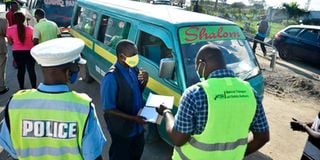
National Transport and Safety Authority (NTSA) and Traffic Police officers during a crackdown on Passenger Service Vehicles (PSV) flouting road safety rules along Kibarani in Mombasa. 

Photo credit: Kevin Odit | Nation Media Group

Fines collected from road traffic offences rose sharply by 64 percent in 2024, underscoring intensified enforcement amid broader efforts to improve safety on Kenyan roads, plug revenue leakages, and tighten discipline in the transport sector.

The National Police Service (NPS) issued tickets that collected Sh434.4 million in traffic fines, up from Sh264.1 million in 2023, representing a Sh170.3 million increase, according to the 2024 annual report.
The surge reflects a year of heightened road policing, marked by crackdowns on speeding, drunk driving, unroadworthy vehicles, and non-compliance with licensing and insurance requirements.

It also comes against the backdrop of renewed efforts by authorities to reduce road carnage, which continues to claim thousands of lives annually and imposes high economic and social costs on families and communities.

Kenya has long struggled with high accident rates, fueled by poor driving behaviour, inadequate enforcement, overloading of vehicles, and insufficient infrastructure, particularly along major highways and in urban corridors.

The 2024 increase in fines suggests that police visibility and rules enforcement improved following public criticism in previous years that traffic laws were applied inconsistently or selectively.

Police reforms, including closer coordination with the National Transport and Safety Authority, the expanded use of automated systems, and stricter oversight of officers on the roads, are beginning to reshape traffic enforcement nationwide.

Authorities are increasingly relying on technology, including digital fine payment platforms and integrated databases, to reduce cash handling, curb corruption, and improve accountability in traffic policing.

The higher collections also reflect a rebound in economic activity and vehicle usage after disruptions, protests, and slower growth in 2023 and early 2024.

As mobility picked up, particularly in major cities and along key trade corridors, traffic volumes increased, raising both enforcement opportunities and the incidence of offences.

Commercial transport operators, including matatus, buses, and freight trucks, remain a major focus of enforcement due to their road safety risks and visibility on public roads.

In a further step to modernise enforcement, Inspector General Douglas Kanja, earlier in February 2025, announced plans to roll out a digital system for instant traffic fines by the end of the year.

At the time, Mr Kanja said the system would allow motorists to pay penalties immediately, reducing physical interactions with officers and limiting opportunities for corruption.

The announcement came shortly after officials of the Ethics and Anti-Corruption Commission arrested three traffic officers at Nairobi’s Globe Cinema Roundabout for possessing Sh48,000 in cash, highlighting ongoing challenges in policing transparency.

The digitisation initiative is part of a broader push to modernise police operations, alongside an online Occurrence Book system that enables citizens to report complaints remotely, with officers responding in real time.

The developments align with recommendations from the National Task Force on Police Reforms and a seven-year strategy aimed at enhancing efficiency, accountability, and service delivery within the force.

IG Kanja also highlighted how digitisation would free police resources from routine physical enforcement, allowing them to focus on strategic road safety measures.

Follow our WhatsApp channel for the latest business and markets updates. 

PAYE Tax Calculator

Note: The results are not exact but very close to the actual.